
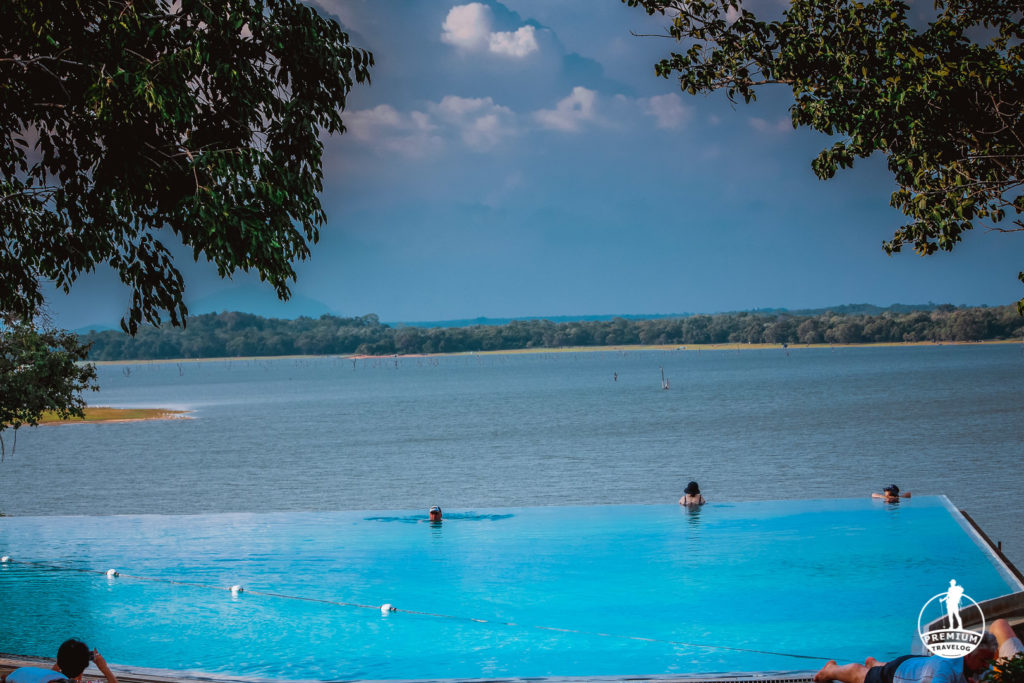
Sri Lanka is a small island, but its weather is not one-size-fits-all. Two separate monsoon systems mean that while one coast is soaking, the other can be bone dry and sunny – so “the best time to visit Sri Lanka” really depends on where on the island you are headed, and what you want to do when you get there. This guide breaks it down region by region and season by season, so you can plan around the weather instead of being surprised by it.
Quick Answer: Sri Lanka at a Glance
Short on time? Here is the island in one list:
- West & south coasts, hill country (Kandy, Nuwara Eliya): December to March
- East coast (Trincomalee, Arugam Bay): May to September
- Whale watching, Mirissa (south): November to April, peak February to March
- Whale & dolphin watching, Kalpitiya (northwest): November to March
- Whale watching, Trincomalee (east): May to October, peak June to August
- Kitesurfing, Kalpitiya: May to September (main season) and December to March (secondary season)
- Adam’s Peak pilgrimage season: December to May, quietest on weekday nights in January to March
- Kandy Esala Perahera: annually in July/August; the 2026 festival runs August 18–27
Why Sri Lanka Has Two “Best Times”, Not One
Sri Lanka sits between two monsoon systems that hit at different times of year and affect different parts of the island. The southwest monsoon (roughly May to September) brings rain mainly to the west, southwest and parts of the central highlands. The northeast monsoon (roughly December to March, tapering from October) brings rain mainly to the north and east. The practical result: it is entirely possible to have rain in Colombo or Kandy while Trincomalee, on the other side of the island, is dry and sunny, or the reverse. (Source: Catch Ceylon)
Best Time for the West & South Coast and Hill Country: December to March
This is Sri Lanka’s classic high season. The beaches around Bentota, Galle and Mirissa are at their driest and calmest, and the hill country – Kandy, Nuwara Eliya and the waterfall-rich Kegalle and Matale districts – gets its clearest weather of the year. If you are chasing waterfalls and hikes, this is also when trails are least likely to be washed out; see our guides to Amaya Hunas Falls and Aberdeen Falls for two hill-country waterfalls worth building a trip around. Outside of this window, from around May onward, the same hills can turn misty and wet – still beautiful, especially for photos, but pack accordingly.
Best Time for the East Coast: May to September
While the west and south are in their wetter months, the east coast – Trincomalee, Nilaveli and Arugam Bay – is having its dry season. This makes it a smart alternative if you are traveling outside the December-to-March window, or simply prefer the east coast’s quieter beaches and surf.
Whale and Dolphin Watching Season by Coast
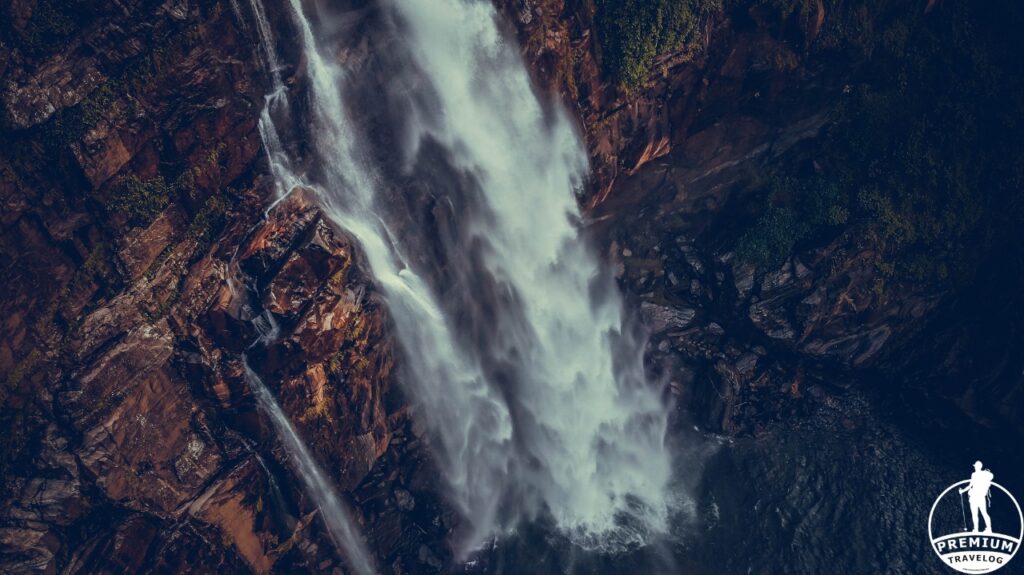
Sri Lanka is one of the few places in the world where you can go whale watching for most of the year, simply by moving to whichever coast is in season:
- Mirissa (south): November to April, with peak sightings of blue whales and spinner dolphins in February and March.
- Kalpitiya (northwest): November to March, known especially for large pods of dolphins, with whales appearing occasionally. See our guide to dolphin and whale watching in Kalpitiya.
- Trincomalee (east): May to October, with peak conditions from June to August, for blue and sperm whales in a sheltered bay.
Kalpitiya Also Has Its Own Kitesurfing Seasons
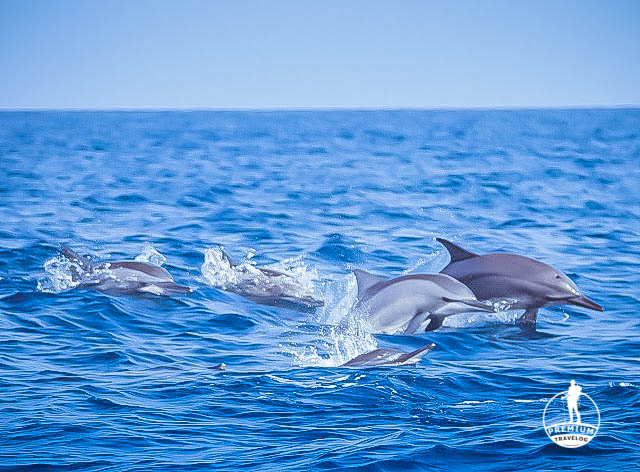
If watersports are more your speed than whale watching, Kalpitiya has two distinct kitesurfing wind seasons that run opposite to its whale-watching calendar: the Yala season (May to September) brings strong, consistent southwest winds and is the main kitesurfing season, while the Maha season (December to March) brings lighter, less consistent northeast winds but cooler weather and fewer crowds. See our guide to kitesurfing in Kalpitiya for more, plus Baththalangunduwa if you want to combine it with a beach-camping night on a nearby island. (Source: Sri Lanka Kite School)
Adam’s Peak (Sri Pada) Pilgrimage Season
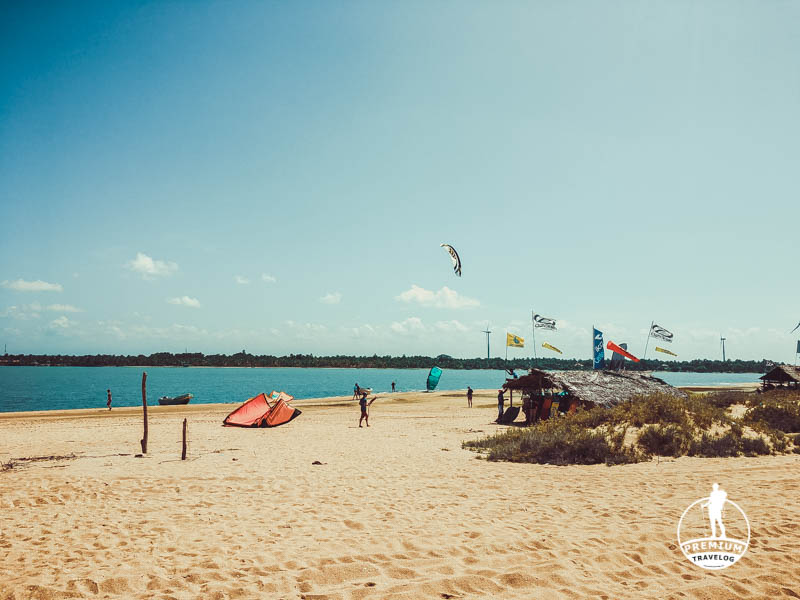
Climbing Adam’s Peak is possible year-round, but the official pilgrimage season runs from the Unduvap full moon poya day in December to the Vesak full moon poya day in May, when the route is lit, staffed and busiest with pilgrims making the night climb to see the sunrise from the summit. Since poya dates follow the lunar calendar, exact dates shift slightly each year. If you want a quieter climb, aim for a weekday in January to March rather than a poya night, a weekend, or the April school holidays and May’s Vesak celebration, which is the single busiest night of the season. Read more in our history of Samanalakanda, Sri Pada (Adam’s Peak). (Source: Lankan Stays)
Kandy Esala Perahera: Plan Around the Festival, Not Just the Weather
If your trip lines up with it, the Kandy Esala Perahera is worth building an itinerary around. It is held annually in the Esala month (July/August) with dates set by the lunar calendar; the 2026 festival runs from August 18 to 27. The town fills up with pilgrims and visitors for the ten-night procession, so book Kandy accommodation well in advance if you plan to be there. Kandy also makes a good base for the wider cultural triangle, including hotels like Heritance Kandalama. (Source: Sri Dalada Maligawa, Temple of the Sacred Tooth Relic)
Sri Lanka’s 2026 Tourism Momentum
It is also worth knowing that Sri Lanka is having a strong year: tourism authorities are reporting record-breaking arrivals in 2026 alongside a push to expand eco-tourism around the island’s national parks and wildlife areas. If you plan to combine your trip with a safari, our guide to wild safaris in Kumana National Park is a good place to start. Popular spots and accommodation can book out further ahead than in past years, so it is worth planning earlier than you might have previously. (Source: Travel Weekly)
Practical Travel Tips
- Pack for both sun and rain no matter when you go – with two monsoons in play, a sudden shower on one coast is normal even in another region’s “dry season.”
- If you want to combine a west/south coast beach stay with hill country hiking, December to March lets you do both in their best weather at the same time.
- Book Adam’s Peak accommodation in Nallathanniya (the main base village) early if your visit falls on a poya night, a weekend, or during the April/May peak.
- Book Kandy accommodation months ahead if your trip overlaps with the Esala Perahera in July/August.
- Whichever coast you are on, check the specific whale-watching or kitesurfing season for that coast rather than assuming it matches the general “best time” for the island.
Common Mistakes to Avoid
- Assuming December to March is the best time everywhere – it is the right call for the west, south and hill country, but the wrong time for the east coast.
- Skipping rain gear because you are visiting in the “dry season” – regional microclimates mean short showers can still happen.
- Turning up at Kalpitiya expecting good kitesurfing wind in the whale-watching months, or vice versa – the two seasons for that region run in opposite halves of the year.
- Leaving Kandy accommodation to the last minute during Esala Perahera week, when the town books out fast.
Frequently Asked Questions
Is there one single best month to visit Sri Lanka?
Not really – it depends on where you are going. February is a strong all-round pick, since it falls in the dry season for the west, south and hill country and is also peak whale-watching season near Mirissa, but it is not the best time for the east coast.
When should I avoid visiting Sri Lanka?
There is no single month to avoid island-wide. Instead, avoid the west, south and hill country roughly from May to September if you want the driest weather there, and avoid the east coast roughly from November to February for the same reason.
Can you visit Sri Lanka year-round?
Yes. Because the island’s two coasts are in their dry seasons at different times, you can visit Sri Lanka any month of the year – you just need to choose the region that matches the season.
Final Thoughts
The real trick to timing a Sri Lanka trip is to stop thinking of it as one destination with one season, and start thinking of it as several regions, each with its own calendar. Once you match your itinerary to the coast, activity or festival you actually care about – rather than a single “best time to visit” date – Sri Lanka becomes a genuinely year-round destination.

3 Comments