
Singapore punches well above its size. It’s a tiny island nation you can cross by train in under an hour, yet it packs rainforest, futuristic gardens, some of the world’s best street food, and a handful of genuinely thrilling theme parks into that space. If you’re planning your first visit — whether it’s a standalone trip or a stopover on the way to or from a Southeast Asia itinerary — here’s a practical, no-fluff guide to what’s actually worth your time.
Quick Answer / Travel Snapshot
- Best for: first-time visitors, families, food lovers, and travelers combining Singapore with a wider Southeast Asia trip
- Ideal trip length: 3–4 days covers the highlights comfortably; 2 days works for a stopover
- Currency: Singapore Dollar (SGD)
- Language: English is an official language and widely spoken, alongside Mandarin, Malay, and Tamil
- Getting around: the MRT (subway) is fast, cheap, and covers almost everywhere you’ll want to go
- Visa: many nationalities can enter visa-free for short stays, but requirements vary by passport — always confirm current rules on Singapore’s Immigration & Checkpoints Authority (ICA) website before you travel
Why Visit?
Singapore works as almost any kind of trip. It’s clean, safe, and easy to navigate even if it’s your first time in Asia, which makes it a low-stress entry point into the region. At the same time it has real depth: colonial-era shophouses in Chinatown sit a short walk from hyper-modern architecture like Marina Bay Sands, and a 20-minute MRT ride can take you from a hawker centre serving Michelin-recognized street food to a rainforest-covered nature reserve. It’s also a genuinely useful base if you’re combining a trip with nearby destinations — Langkawi and the rest of Malaysia are a short flight away, which is worth considering if you’re already reading about Langkawi’s Sky Bridge or other things to do in Langkawi.
Best Things to Do
Gardens by the Bay
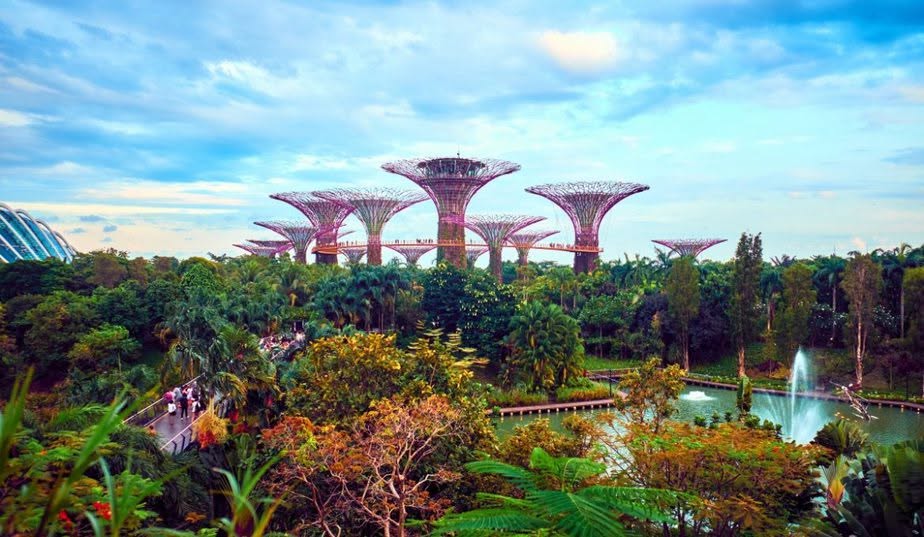
The Supertree Grove is free to walk through and photograph at ground level, and it’s one of the most recognizable sights in Singapore after dark, when the trees light up. Inside the park, the two cooled conservatories — Flower Dome and Cloud Forest — are separately ticketed (Flower Dome starts from S$8, based on official pricing checked in September 2026), and the OCBC Skyway walkway through the Supertree canopy is a separate ticket again (from S$10). Both conservatories and the Skyway operate daily from 9am to 9pm. Prices and hours can change, so it’s worth a quick check on the official Gardens by the Bay site before you go.
Marina Bay Sands & the waterfront
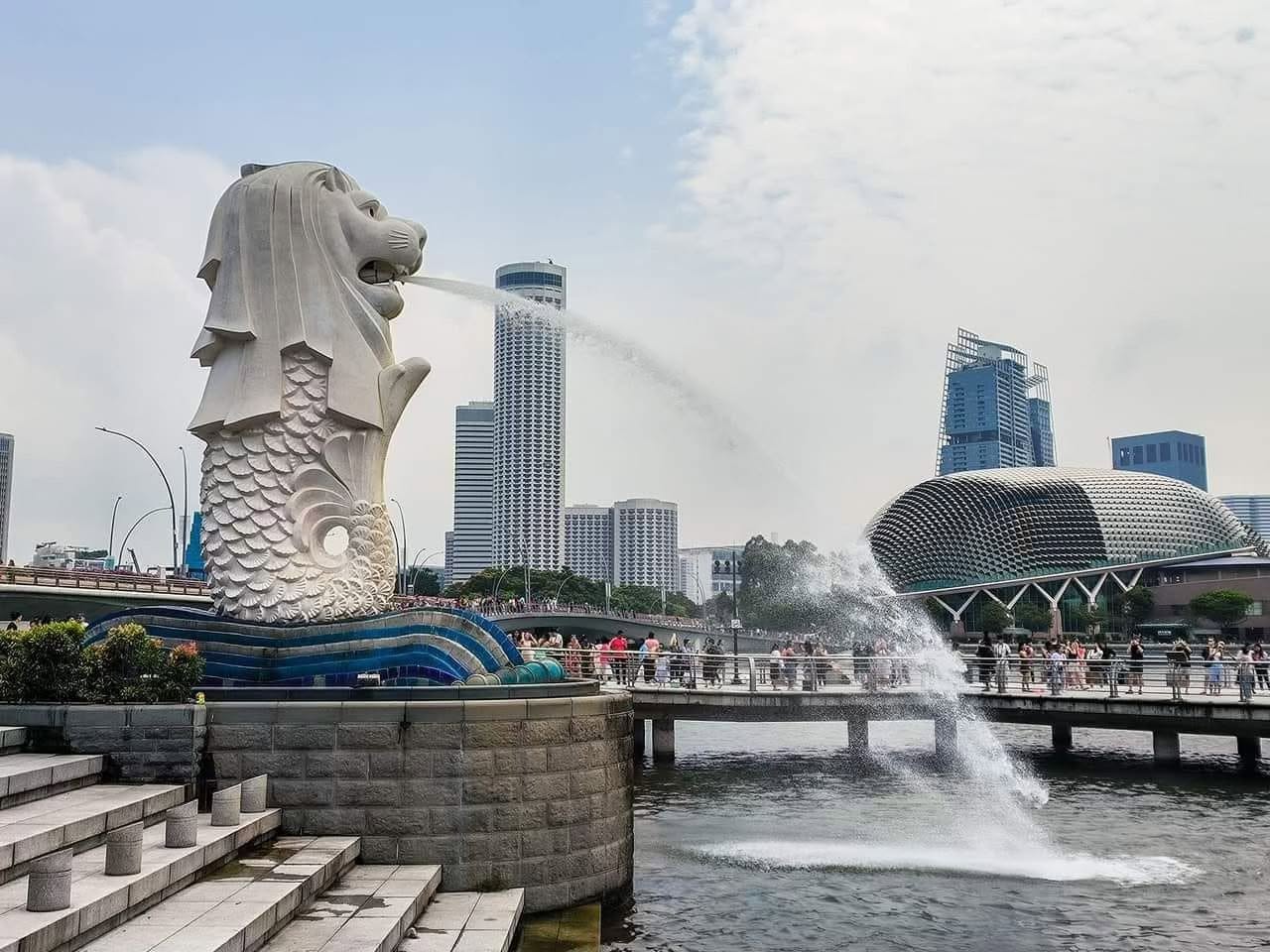
You don’t have to stay at Marina Bay Sands to enjoy it — the SkyPark Observation Deck on top offers panoramic views over the bay and skyline, and the Marina Bay waterfront itself (including the free nightly Spectra light and water show) is worth an evening even on a tight budget. Merlion Park, home of Singapore’s half-lion, half-fish mascot, is right along the same waterfront and costs nothing to visit.
Sentosa Island
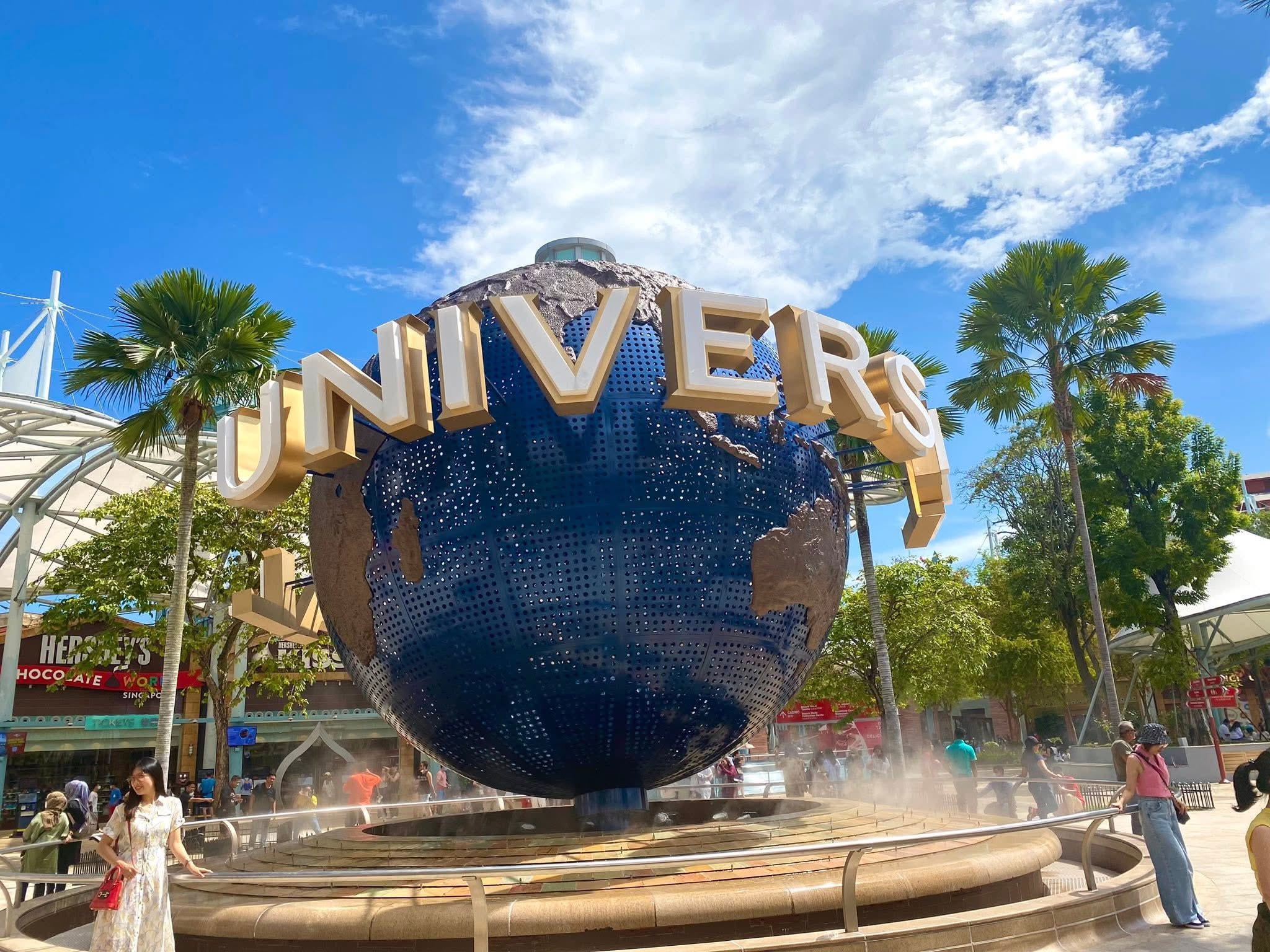
Singapore’s dedicated resort island is where you’ll find Universal Studios Singapore, S.E.A. Aquarium, and several beaches, plus cable car access from the mainland. It’s easy to spend a full day here, especially with kids — budget accordingly, since Sentosa’s attractions are ticketed separately from each other and from island entry.
Mandai Wildlife Reserve (Singapore Zoo, Night Safari, River Wonders, Bird Paradise)
Singapore’s cluster of wildlife parks in the north of the island are consistently rated among the best in the world for their open, naturalistic enclosures. The Night Safari in particular is unusual — a walking and tram tour through nocturnal wildlife habitats after dark — and isn’t something you’ll find in most cities. Each park is ticketed separately, though combo passes covering multiple parks are usually available.
Chinatown, Little India & Kampong Glam
Singapore’s historic ethnic quarters cost nothing to explore and are some of the most rewarding walking you’ll do in the city. Chinatown mixes temples, shophouses, and food stalls; Little India is dense with color, spice shops, and the Sri Veeramakaliamman Temple; and Kampong Glam, anchored by the golden-domed Sultan Mosque, has become one of the city’s best spots for independent cafes and boutiques along Haji Lane.
National Gallery Singapore & the Civic District
Housed in the beautifully restored former Supreme Court and City Hall buildings, this is the region’s largest public collection of Southeast Asian art. Even if museums aren’t usually your thing, the building itself and the surrounding Civic District (Padang, Victoria Theatre, the Singapore River) are worth the walk.
How to Get There
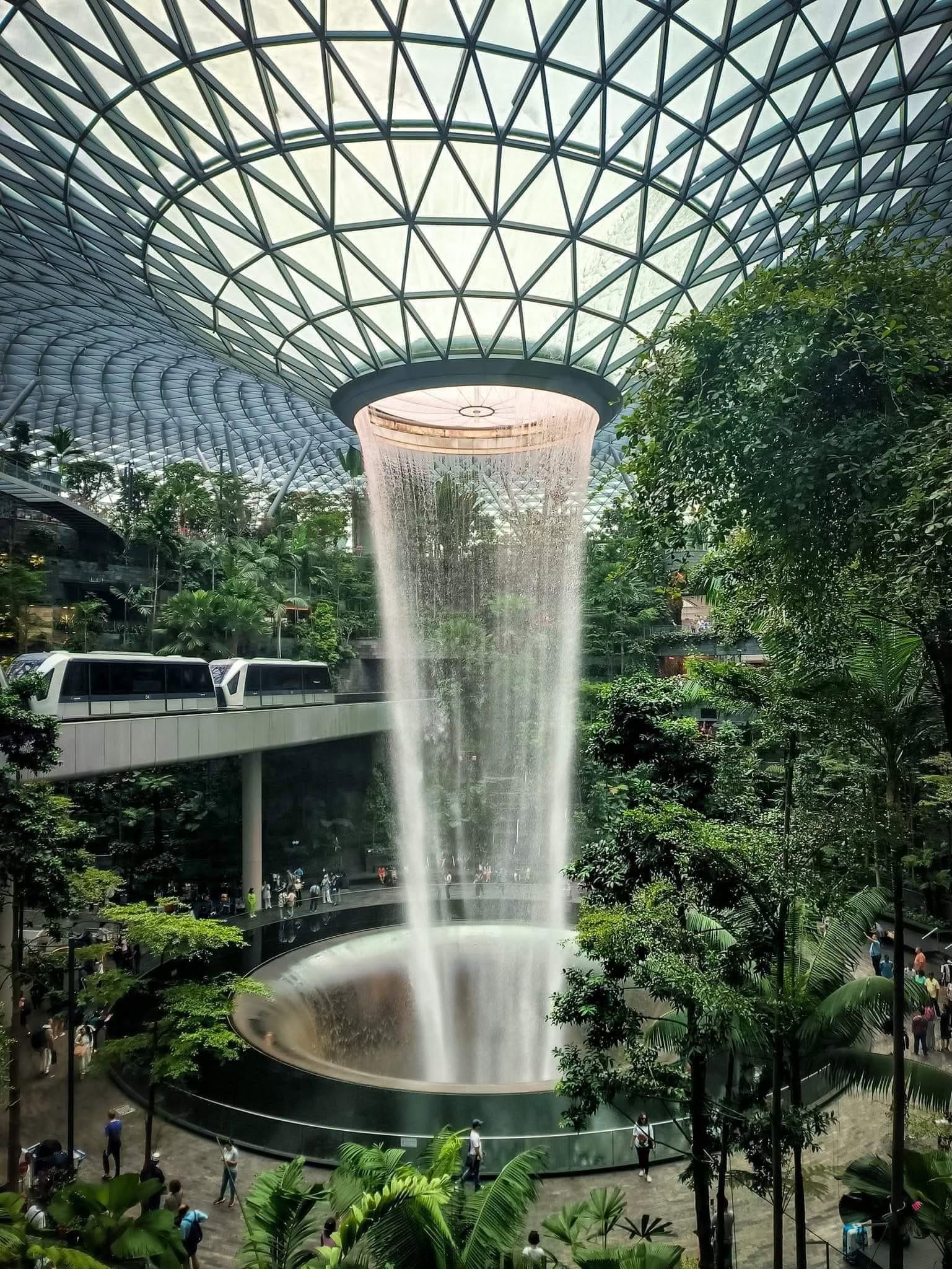
Almost everyone arrives via Changi Airport, regularly rated one of the best airports in the world and worth arriving early for in its own right — Jewel Changi’s indoor waterfall and gardens are inside the airport itself. From Changi, the MRT runs directly into the city centre, and taxis/ride-hailing apps (Grab is the dominant one locally) are metered and straightforward. Once you’re in Singapore, the MRT and bus network covers the whole island reliably, and a rechargeable EZ-Link or contactless bank card will get you through the fare gates without needing to plan routes around cash.
Best Time to Visit
Singapore sits just above the equator, so it’s warm and humid year-round with no real “off season” temperature-wise — expect daytime highs around 30–32°C (86–90°F) whenever you go. The main thing to plan around is rain: the Northeast Monsoon (roughly December to early March) brings the wettest, breeziest stretch of the year, while June to September tends to be comparatively drier. Even in the wetter months, downpours are usually short and intense rather than day-long washouts, so they rarely ruin a trip — just keep a light rain jacket handy.
Where to Stay
- Marina Bay / Downtown Core: closest to Gardens by the Bay, Marina Bay Sands, and the Civic District — convenient but priced at a premium.
- Orchard Road: Singapore’s main shopping strip, well connected by MRT, with a wide range of hotel price points.
- Chinatown / Tanjong Pagar: good value, packed with food options, and still an easy MRT ride from the main sights.
- Kampong Glam / Bugis: a good middle-ground base near Haji Lane’s cafes and boutiques, with quick access to both the Civic District and the east side of the island.
Food & Local Experiences
Hawker centres are the heart of Singaporean food culture and, for budget travelers, the best value in the city by a wide margin — a full meal typically costs a fraction of restaurant prices. Maxwell Food Centre, Lau Pa Sat, and Newton Food Centre are among the best-known and most visited, though every neighbourhood has its own local favorite. Look out for Singapore’s signature dishes: chilli crab, Hainanese chicken rice, laksa, char kway teow, and satay. Given how central food is to a Singapore trip, it’s genuinely worth building an extra hour or two into your itinerary just to wander a hawker centre without a fixed plan.
Estimated Costs
Singapore has a reputation for being expensive, and parts of it are — but it’s also possible to travel comparatively cheaply if you lean on hawker food and public transport. Rather than quote exact figures that go stale quickly (ticket prices for attractions like Gardens by the Bay’s conservatories, Universal Studios, and the wildlife parks are updated by their operators periodically), it’s more useful to think in tiers:
- Budget: hawker centre meals, free attractions (Merlion Park, Supertree Grove at ground level, the ethnic quarters, Marina Bay waterfront), and MRT/bus transport.
- Mid-range: add in one or two ticketed attractions per day (Gardens by the Bay’s conservatories, a museum, a river cruise), casual sit-down restaurant meals, and the occasional Grab ride.
- Splurge: a full day at Sentosa/Universal Studios or Mandai Wildlife Reserve, rooftop bars and dining, and a Marina Bay–area hotel.
For current ticket prices on any specific attraction, check that attraction’s official website directly before you travel — this article intentionally avoids quoting numbers likely to be outdated by the time you read it, aside from the Gardens by the Bay figures above, which were verified in September 2026.
Practical Travel Tips
- Get an EZ-Link card or just tap a contactless bank card/phone directly at MRT gates — no need to queue for paper tickets.
- Singapore enforces strict fines for littering, jaywalking, and eating/drinking on the MRT — it’s not just a stereotype, so follow posted rules.
- Tipping isn’t expected and many restaurants already add a service charge — check your bill before adding more.
- Air conditioning indoors is often set very cold; a light layer is genuinely useful even in a tropical climate.
- Tap water is safe to drink across the whole country.
Common Mistakes to Avoid
- Trying to see everything in one day. Singapore looks small on a map, but Sentosa, Gardens by the Bay, and Mandai Wildlife Reserve are each easily a half-day to full-day on their own.
- Skipping hawker centres for tourist-facing restaurants. Some of the best food in the country is at hawker stalls, not the restaurants nearest your hotel.
- Not checking attraction hours and ticket types in advance. Several major attractions (Gardens by the Bay’s conservatories, Mandai’s parks, Sentosa’s attractions) are separately ticketed from each other, and some sell out or require timed entry.
- Assuming visa-free entry applies to your passport without checking. Rules vary by nationality and do change — confirm on the ICA website rather than assuming.
Frequently Asked Questions
How many days do I need in Singapore?
Three to four days is enough to comfortably cover Gardens by the Bay, Marina Bay, one full day at Sentosa or Mandai Wildlife Reserve, and time in the ethnic quarters. Two days works for a stopover if you focus on Marina Bay and one major attraction.
Is Singapore expensive to visit?
It can be, particularly for accommodation and ticketed attractions, but hawker centre food and public transport are genuinely affordable, which makes a budget-conscious trip realistic if you plan around them.
Do I need a visa to visit Singapore?
It depends entirely on your passport — many nationalities get visa-free short-stay entry, but requirements change and vary widely. Always check current rules for your specific nationality on Singapore’s official ICA website before booking.
Can I combine Singapore with a trip to Langkawi or Malaysia?
Yes — Singapore is a common jumping-off point for the rest of Southeast Asia, and Langkawi is a short flight away, making it a natural pairing if you’re already planning around Langkawi’s attractions.
Final Thoughts
Singapore rewards a bit of planning without demanding much of it — the transport system is easy enough that you can improvise most days, but the major attractions are worth booking around rather than showing up to on a whim. Whether it’s a full trip on its own or a stopover on a longer Southeast Asia itinerary, it’s a destination that’s hard to get wrong.
More in Southeast Asia
- Langkawi Sky Bridge — one of the region’s most dramatic viewpoints, a short flight from Singapore
- Best Things to Do in Langkawi — our full Langkawi attractions guide

1 Comment